 Eastmans' Official Blog | Mule Deer, Antelope, Elk Hunting and Bowhunting Magazine | Eastmans' Hunting Journals
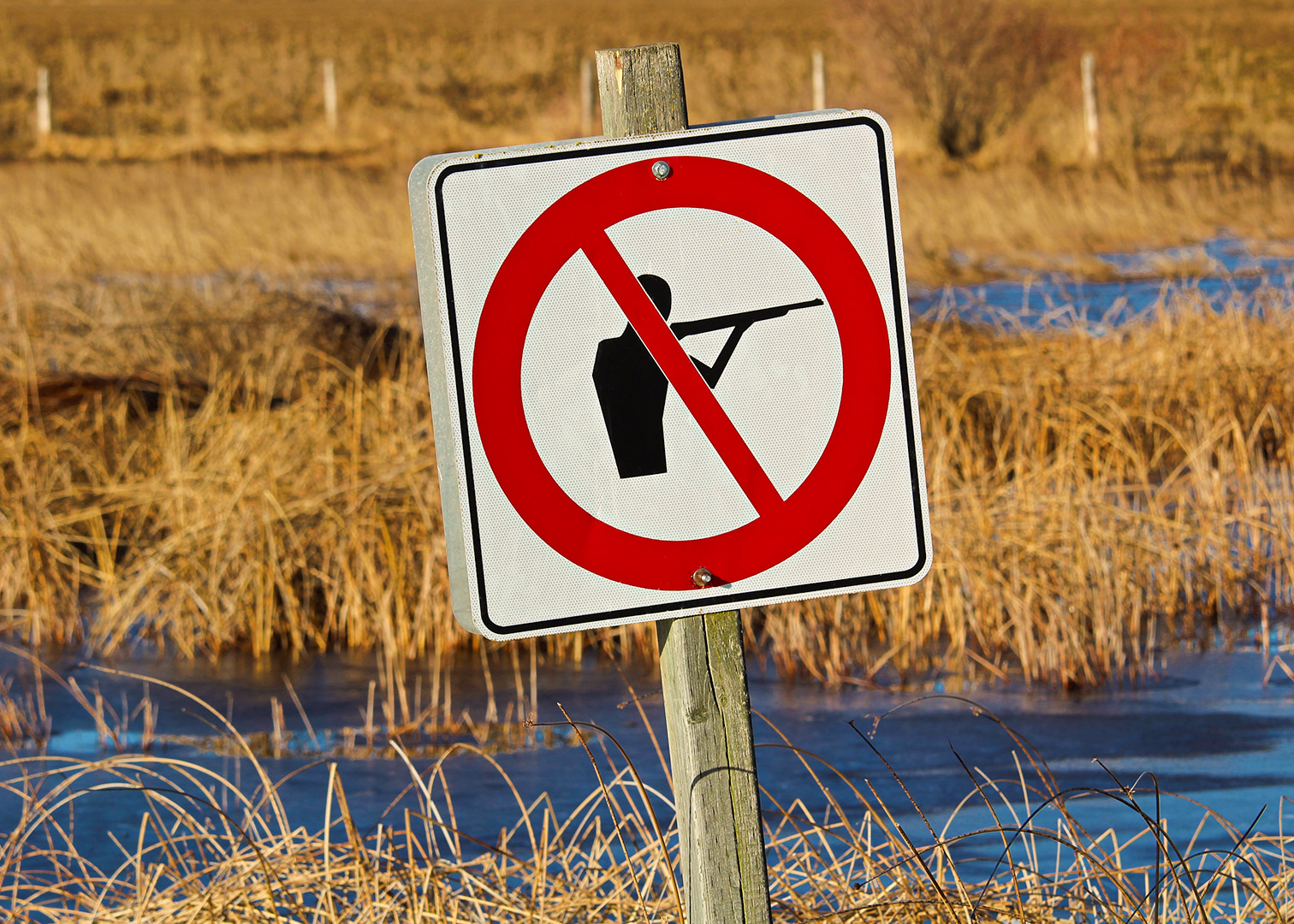
Is Gov. Polis Intentionally Derailing the Colorado Parks and Wildlife Commission?
Colorado’s wildlife-management system is supposed to be guided by science, professional expertise and sound conservation principles. Recent actions by the Colorado Parks and Wildlife (CPW) Commission raise serious questions about whether that is still the case.
Gov. Jared Polis has appointed commissioners whose backgrounds and policy perspectives are changing the character of the Commission. The July 2026 meeting provided a troubling example.
A New Direction
In April, Polis recommended three new commissioner nominees. The Senate Agriculture and Natural Resources Committee recommended against confirming two of them, Christopher Sichko and John Emerick, and their nominations were subsequently withdrawn. The committee’s rejection of two of Polis’s nominees was an unusually public setback for the Governor.
In June, Polis appointed three replacements: John Le Coq, Peter Maguire and Rebecca Niemiec. Niemiec is a tenured CSU professor specializing in the human dimensions of natural resources, including human-animal relationships, public attitudes toward wildlife and conservation policy. Let’s face it: wildlife management is ultimately about managing wildlife populations through science, not managing people’s feelings about wildlife. The following demonstrates why that distinction matters.
The July CPW Commission meeting Furbearer Decision
CPW staff presented two alternatives for daily fur-bearer limits. The preferred staff option was 15 animals per species per day, with an alternative of 8 or 4, depending on the species.
Staff emphasized to the Commission that they did not identify any biological or scientific evidence of population problems requiring such a dramatic reduction, and harvest rates for Colorado furbearers were generally well below 1% of estimated populations for many species.
However, ignoring those facts, Commissioner Niemiec then proposed a third option completely out of thin air—one that was not among the alternatives presented by CPW staff: two animals per species per day.
That proposal represented an extraordinary departure from the staff’s recommendations, and it resonated much like Toby Keith’s description in Courtesy of the Red, White and Blue: “A mighty sucker punch came flyin’ in from somewhere in the back.”
Niemiec said the lower limits were intended, in part, to “make sure people feel better about hunting and trapping furbearers and about our policy decisions.”
According to the staff’s presentation, there was no biological evidence requiring such a dramatic reduction.
Astonishingly, with assistance from other like-minded Polis-appointed commissioner’s, the commission eventually adopted Niemiec’s proposal by a 6–5 vote. CPW’s current regulations now set the daily bag limit at just two for all 17 furbearer species.
Going from 15 animals to two represents an 87% reduction from the staff’s preferred limit. That is not a minor adjustment. It is a dramatic change in hunting and trapping opportunities. And it raises a fundamental question:
Are Colorado’s hunting and trapping regulations being changed because wildlife populations require it—or because some people feel better when fewer animals are harvested?
Those are very different standards.
Science vs. Social Policy
Commissioners have the authority to reject staff recommendations. But when they make a dramatic change to wildlife regulations, the public deserves to know what evidence supports the alternative.
CPW employs professional biologists and wildlife managers whose job is to study populations and recommend appropriate management.
If commissioners can replace those recommendations with substantially more restrictive alternatives based largely on social considerations, then who is really managing Colorado’s wildlife—the professionals at CPW or the political appointees on the Commission?
The commercial fur-sale controversy provides another example.
The Center for Biological Diversity petitioned for restrictions on commercial fur sales. CPW staff recommended denying the petition, yet the Commission voted 6–4 in March to initiate rulemaking. In July, the Commission ultimately terminated that rulemaking. CPW’s July meeting materials confirm that both the fur-sale issue and furbearer bag limits were before the Commission.
The termination of the fur-sale rulemaking was the right outcome and was consistent with the position previously recommended by staff. But the commission’s vote to disregard staff and initiate rulemaking demonstrates the growing conflict over whether Colorado’s wildlife policies are being driven primarily by biological evidence or “ballot-box biology” and broader social and political considerations.
Colorado Hunters Should Pay Attention
Colorado hunters and trappers provide enormous financial support for wildlife conservation and have every right to expect wildlife regulations to be based on sound science and professional management.
The two-animal furbearer limit is about more than furbearers.
It establishes a precedent.
If social attitudes can replace science and biological necessity as the reason for restricting one form of hunting or trapping, what prevents the same philosophy from being applied to other species, seasons or hunting methods?
Colorado does not need a wildlife commission that governs by emotion.
It needs one that respects science, evidence, professional expertise and the people who have supported wildlife conservation for generations.
The July 2026 meeting should be a warning to every Colorado hunter and trapper.
The direction of the CPW Commission is changing. Commissioners are introducing alternatives that depart substantially from CPW staff recommendations, and those changes can now be decided by a single vote.
That should concern every Colorado sportsman.
Colorado’s Commission meetings are broken. Whether that is the result Gov. Polis intended is a question Coloradans should be asking.


This was by design. Gov. Polis’ husband is a staunch anti-Hunter and anti-agriculture person. He has immense influence despite having never been elected to any office. His influence over the Wildlife Commission has been obvious too.
Until and unless we get a conservative elected as Governor (which is highly unlikely in blue Colorado) we are screwed! The Dems don’t give a shit about the opinions of hunters and anglers. They can ride slip shod over us and there isn’t a damn thing we can do about it. And they know it.
Denying science is basically the same as denying history. Fundamentally there is no difference. The people refusing to accept science are the same ones who get hurt trying to play with the cute little bears or pet the bison in Yellowstone.
This is all due to a major influx of blue state transplants. They bring all their liberal politics with them, they infiltrate Government and this is the result. Permanent change, and not for the better.