 Eastmans' Official Blog | Mule Deer, Antelope, Elk Hunting and Bowhunting Magazine | Eastmans' Hunting Journals
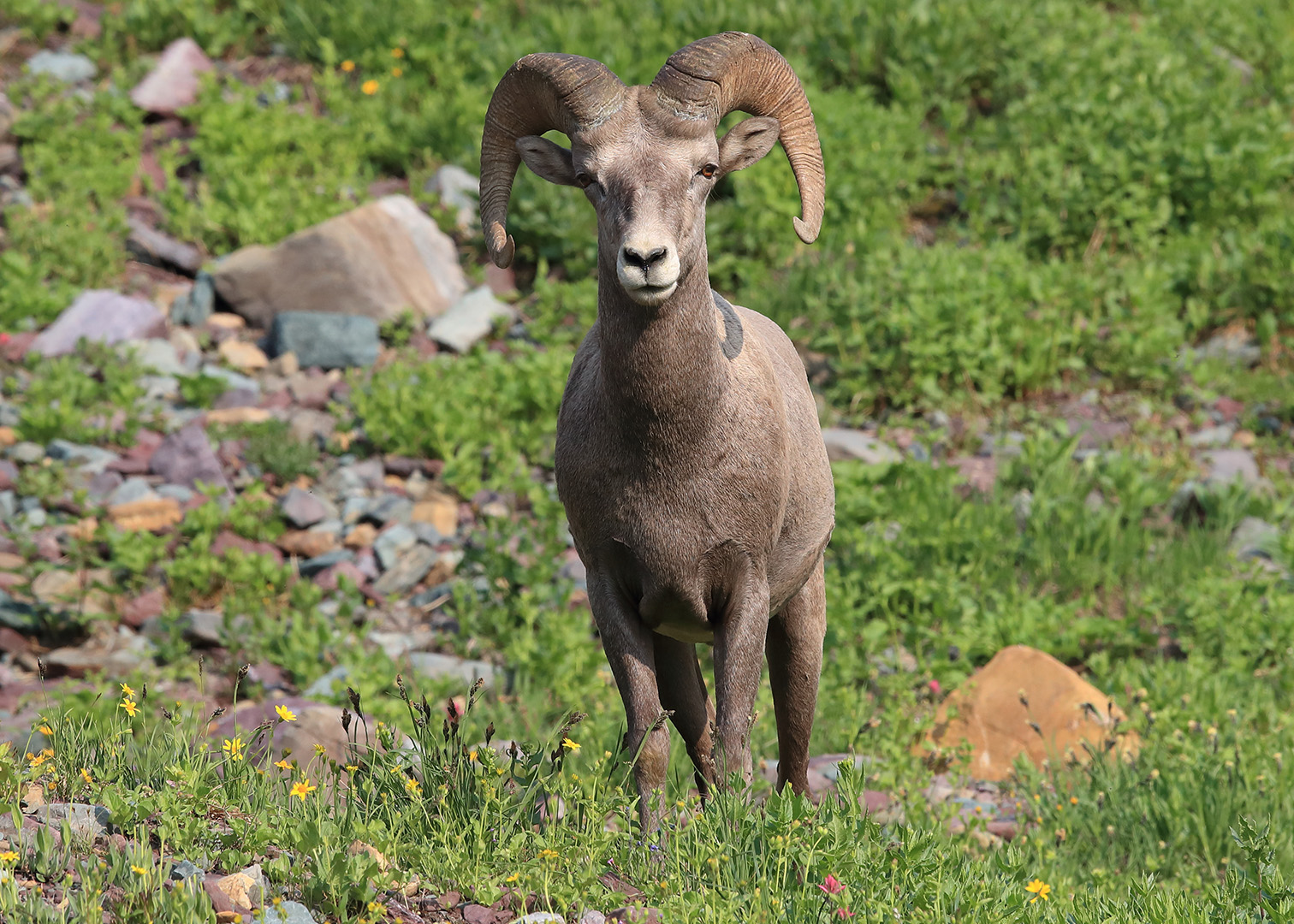
In mid-December 2025, during a normal disease surveillance, a pneumonia outbreak was detected in a small population of big horn sheep. These sheep belong to a herd of California bighorn sheep located in the Reynolds Creek Area in Unit 40. This herd of sheep inhabits the rocky cliffs just outside of the Boise valley.
This pneumonia outbreak is caused by a bacterium called Mycoplasma Ovipneumoniae (M.ovi). This prognosis means that approximately 50% of these sheep will die. Pneumonia spreads quickly amongst a population and can spread to surrounding herds.
While the Reynolds Creek herd is fairly isolated in the region they inhabit, there are other herds in the Owyhees that sometimes interact. Idaho’s population of California bighorn sheep was dealt a devastating blow. It’s not known how the herd contracted the disease, but it’s often spread from domestic sheep.
In response to this pneumonia outbreak, Idaho Fish and Game has decided to lethally remove the affected herd in Reynolds Creek. This was not an easy decision for them to make but it is the right one. In order to protect the overall herd in the Owyhees, the Reynolds Creek herd must go. There are nearly 300 California bighorn sheep in the Owyhees, 30 of which are the Reynolds Creek herd. Doing the math, it makes sense, potentially have 150 sheep die, or have 30 removed. Out of that 30 that will be removed, approximately 15 would have died in the coming months anyway due to the pneumonia.
The problem with this disease is that the animals that survive the outbreak are still carriers of the disease. That means neighboring herds or even newborn lambs are potential victims. This can take years to fully know how it will affect the overall herds in the area.
Luckily, IDFG has been doing an intensive research project on the bighorns in the Owyhees over the past several years. Included in this research is the regular testing for diseases. Thanks to this, IDFG should be able to get ahead of the outbreak before it spreads.
I know some of you might be asking yourself, “Why not allow hunters into the area to remove the herd?” The problem is, in this case, IDFG is on the clock. The longer they wait, the more likely the disease will spread. IDFG will be using helicopter gunners to quickly remove all the sheep. If meat is salvageable, it will be collected and processed.
The President of the Idaho Wild Sheep Foundation (Triston Warner) said the following about the recent news of the outbreak:
“The news of M.ovi in the Reynolds Creek band is of course disappointing to the Idaho Wild Sheep Foundation,” Warner said. “While hunter harvesting is usually preferable to professional culling, in this case, we believe that aggressive removal of this small band to prevent the spread of M.ovi to larger herds is the correct course of action.”
What are your thoughts on the removal of the herd? Are you on board with removing a portion of the population to protect the others? Or you on the “let nature run its course” side?


Aggressive culling is a hard decision, but the right one. Had the same issue here in Yakima for years in the Canyon herd as well as the Rimrock herd.
It seems to pop up every so often. The Hells Canyon Herd had an outbreak a few years ago. Killed off almost 150 sheep between Oregon and Idaho.
Get rid of the domestic sheep and you solve the problem IMO.