 Eastmans' Official Blog | Mule Deer, Antelope, Elk Hunting and Bowhunting Magazine | Eastmans' Hunting Journals
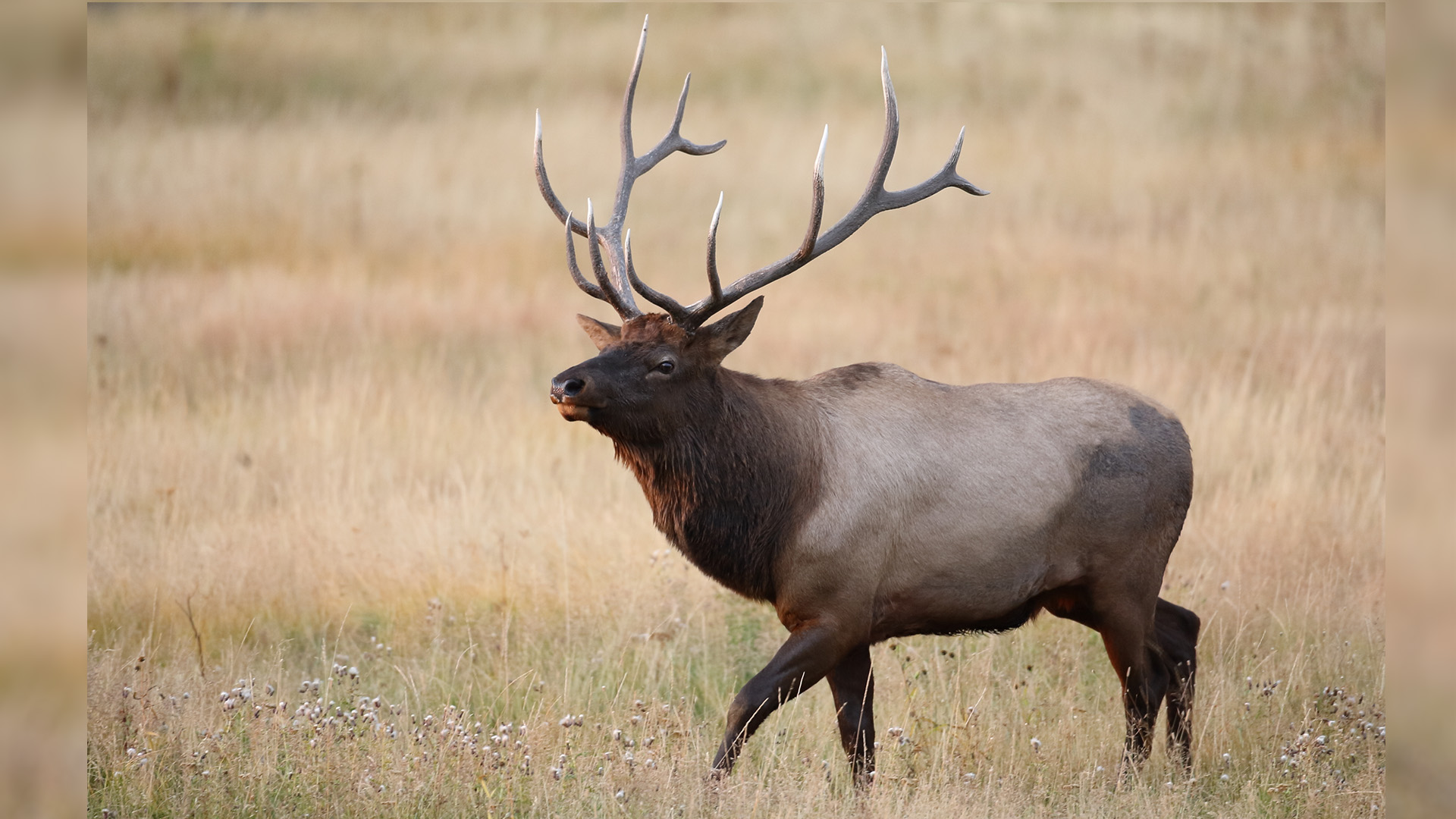
If you’ve had a few elk tags in Wyoming, you probably have been mailed a little brown cardboard box with a blood sampling kit inside it. That sampling kit is part of Wyoming’s long-standing brucellosis monitoring program that keeps livestock producers and the rest of us store-bought meat-eating carnivores safe from a pretty nasty disease.
Why Is This So Important?
Brucellosis is a disease that can impact elk and their calving rates, and it can also be spread to cattle and eventually (you guessed it) humans. The wildlife and livestock impacts certainly are no good with the first pregnancy after contracting it leading to an aborted fetus. Animals can have reproductive problems in future years, too.
However, the impacts to humans are real and well-studied, as well. Brucellosis in folks shows up as low-grade fever, joint or back aches, night sweats, and depression. While that might sound like just another bad case of seasonal affective disorder this time of year, it can have long-lasting impacts on people, too.
The Mayo Clinic states that even after a healthy round of antibiotic treatments, it can linger in someone’s system, causing swelling of the inner lining of the heart chambers, arthritis in joints and of spinal bones, and other problems that certainly will impact your ability to get around in the mountains and live a long, healthy life.
How You Can Help
Since 1991, keeping track of brucellosis infections has been a major focus of wildlife managers around the Greater Yellowstone Ecosystem. Over 25,000 samples have been taken from Wyoming’s elk herds to try to keep a thumb on the spread of it. Last year alone, the Wyoming Game and Fish Department distributed 8,500 blood collection kits to elk hunters to test for brucellosis. They only received 753 samples suitable for testing, and 22 tested positive for exposure to the bacterial disease. Granted the odds of a positive sample weren’t high at a sub-3% rate, an 8.8% return rate on samples sent out was not a big proportion either.
In 2026, WGFD is keeping the pedal to the metal to try to make sure that brucellosis isn’t spreading. With any luck, you will have the chance to send in a sample to Wyoming Game and Fish this year for key monitoring efforts in the Bighorn Mountains (hunt areas 33, 34, 35, 36, 37, 38, 47, 48 and 120), as well as the Cody herds (hunt areas 55, 56, 58, 59, 60 and 61) and units 25 and 27 near Lander.
Click here to learn more about Brucellosis and it’s monitoring in Wyoming.