 Eastmans' Official Blog | Mule Deer, Antelope, Elk Hunting and Bowhunting Magazine | Eastmans' Hunting Journals
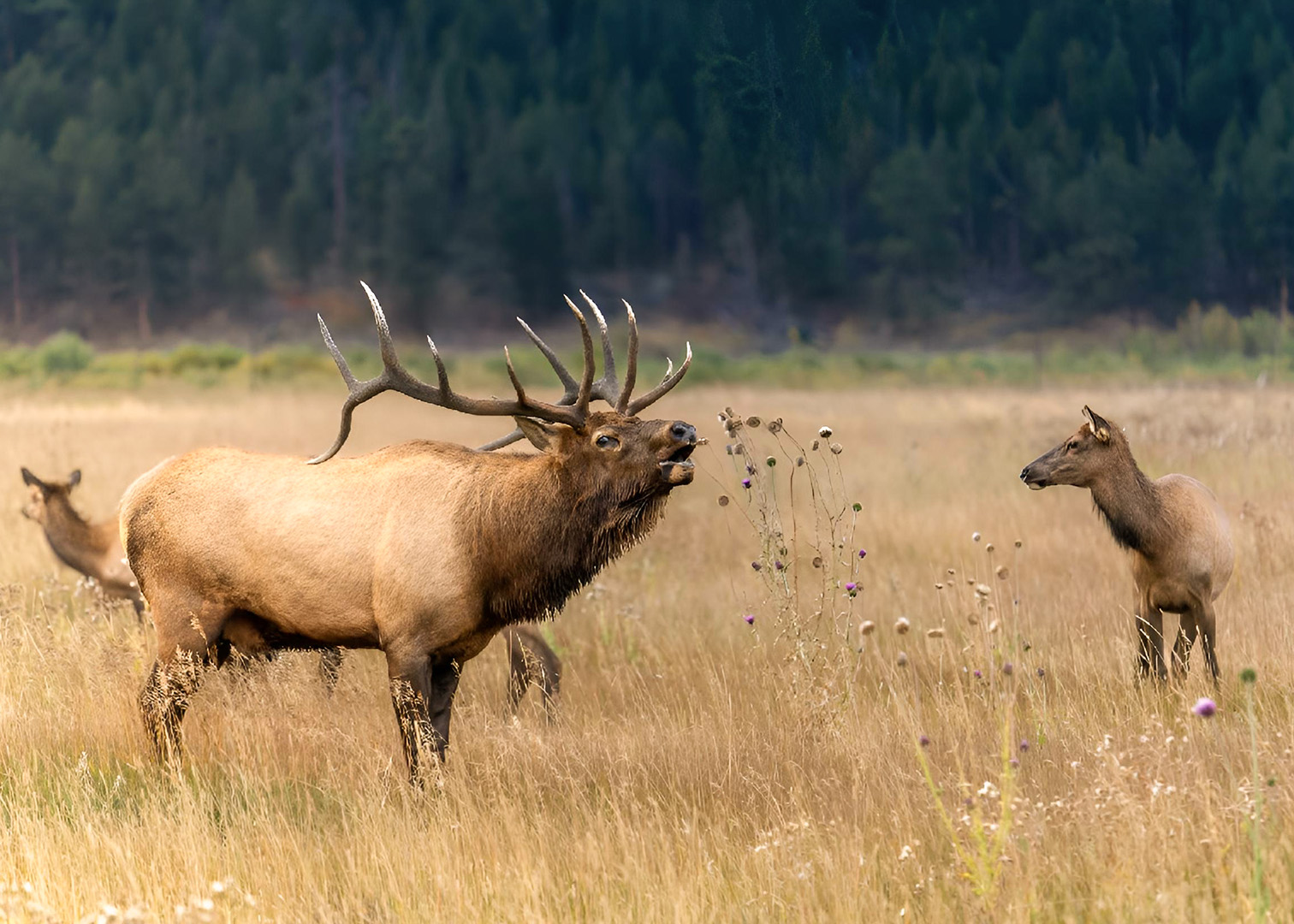
The meaning of “wildlife management” can be defined in various ways, but in general, it means attempting to influence wildlife populations to achieve desired objectives. The reason for management results when a need for improvement is observed. Commonly, the tools used to manage wild populations involve situations/tools that do not occur naturally in wild ecosystems. One of these “unnatural” tools involves feeding elk during the winter months. Hypocrisy develops when opposition to this as a tool is promoted; sometimes involving lawsuits, while supporting other “unnatural” tools is supported and promoted.
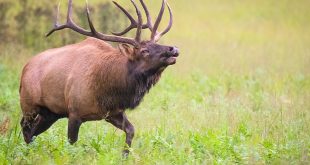
In order to expose the hypocrisy, the benefits of feeding elk must be explained as should the need for other management strategies with other species. In the case of elk, feeding them at certain locations away from human activities and interests can reduce certain problems. Much of this stems from herds in western Wyoming where land ownership, topography, and climatic conditions are unique. Similar situations exist in Utah, Idaho, Washington, and Oregon, all of which feed elk during the winter months. While damage prevention and starvation were the primary reasons for feeding elk more than 100 years ago, they continue to be reasons today. In addition, the encroachment by development of private property has reduced existing winter forage which can be offset by providing supplemental feed and to maintain current population numbers. The livestock disease, brucellosis, is common in elk herds in western Wyoming. If infected elk come in contact with cattle, the disease can be transmitted to them. Feedgrounds offer the primary tool for providing separation between elk and cattle. It was an issue in 2004 and affected the entire cattle industry throughout Wyoming. A cattle herd in Sublette County became infected and elk may have been the source of the infection. As a result, the cattle industry in the entire state was quarantined for seven years, resulting in an estimated loss of more than 25 million dollars. Other reasons for providing separation of elk include reducing their presence on highways, which results in vehicular accidents. Feedgrounds also keep elk away from private holdings where damage to fences, landscaping, etc. occurs.
Critics of feeding elk are very vocal and active in their effort to terminate this practice. This includes various individuals, some governmental agencies, and several environmental groups. The hypocrisy develops when they choose to ignore “unnatural” management strategies used to mediate certain situations with other species while promoting the elimination of feeding. They promote having elk populations determined by the number that can survive strictly on available native forage and without artificial support yet they support tools that will elevate other species to levels above that attainable by natural conditions. There is no call to eliminate fish hatcheries where fish are reared in concrete structures and released into streams and lakes which are unable to produce desired populations. Pheasants are reared in cages only to be released for hunters. Why, because natural habitats cannot support desired populations. Goose nesting structures are constructed in areas where predation reduces nesting success. Trees are removed by chaining to reduce the canopy cover and encourage more undergrowth for wildlife feed. Water developments are constructed where water is in short supply for wildlife. The use of backyard bird feeders is accepted and even encouraged. The list goes on. All of the tools mentioned above are attempts to maintain or increase populations above that sustainable by existing natural conditions. Yet feeding, which accomplishes the same thing, is vigorously opposed. The hypocrisy occurs when picking and choosing which management practices are acceptable.


I’m pretty sure the ameba will be added to the extinction listing if democrats and liberals get their way
The one thing I did not see on tat list was the fact that by helping them through hard times, you keep them from starving and dying in large numbers, but you also feed the people that are willing to hunt them and prefer the meat as apposed to pen fed beef! Better to let them starve, or feed the people?
The elk feed grounds have existed for a long time and haven’t been an issue. No need to change what isn’t broken…
Brucellosis was transmitted to Bison & Elk by cattle. If the ranchers have their panties all bunched up by the risk of transmission of Brucellosis from Wildlife to their cattle, vaccinate your cattle.
One thing not mentioned in this piece but of great importance is CWD. If we keep elk in close proximity for months at a time the spread is going to be significant and we are going to lose large numbers of elk.