 Eastmans' Official Blog | Mule Deer, Antelope, Elk Hunting and Bowhunting Magazine | Eastmans' Hunting Journals
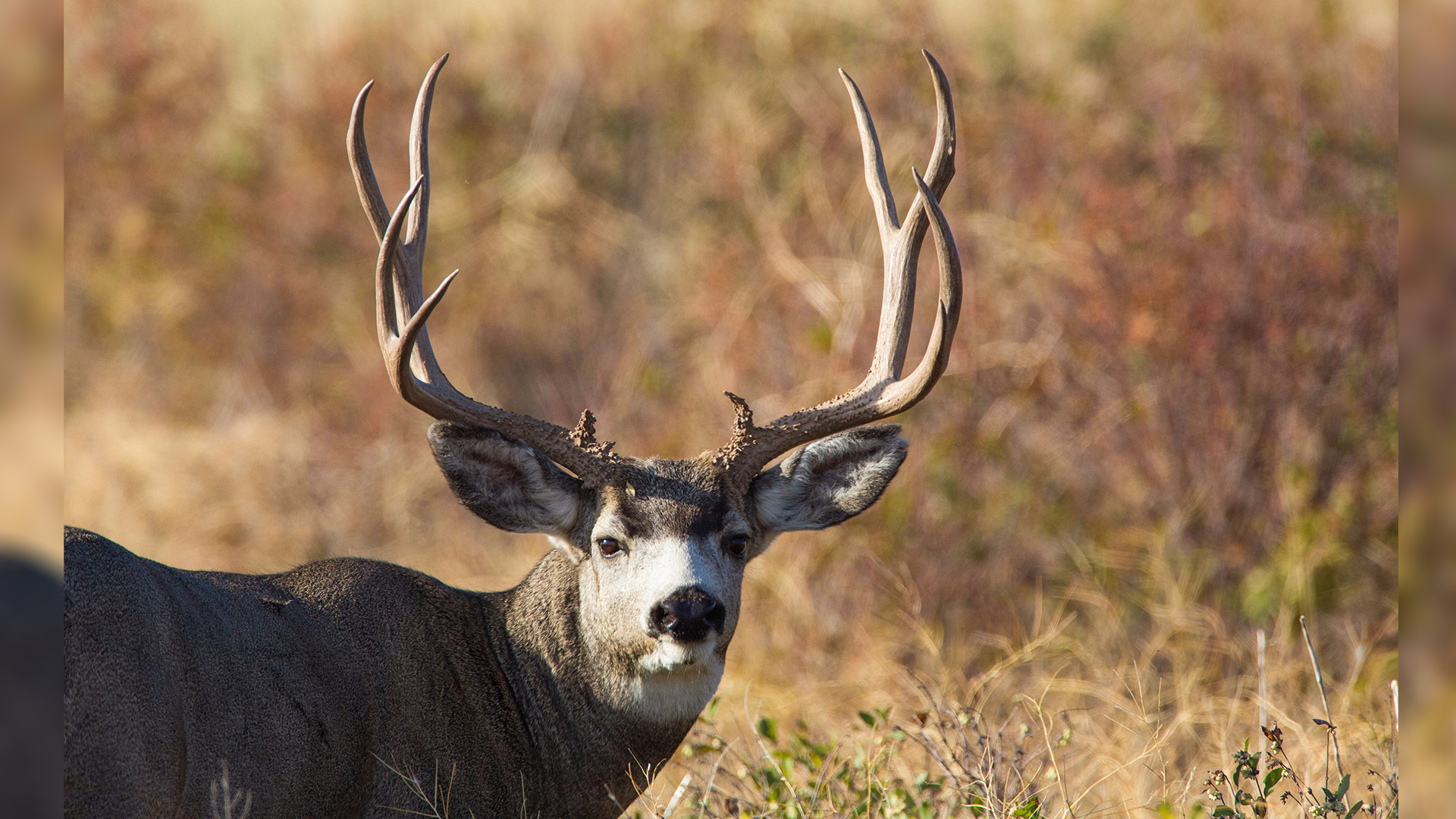
Oregon mule deer hunting is about to feel unfamiliar. Not worse in a dramatic, sky-is-falling way, but different enough that anyone applying blindly in 2026 is going to feel behind the curve.
After 15 years of collar data, harvest reporting, and internal modeling, ODFW is restructuring how mule deer are managed across eastern Oregon. That means new herd-based hunt areas, fewer tags in most weapon classes, and a system that finally matches how deer actually move instead of how lines were drawn decades ago.
You can debate whether you like the changes that came from these 1,400 collared mule deer across the state and flipped the card table upside down going forward. But if you’re planning your seasons or sitting on points, there are really three takeaways that stand out.
Takeaway #1: Predicting the Draw Is Going to Be a Mess
For years, Oregon was one of the easier Western states to “figure out.” Draw odds didn’t swing wildly. Units stayed the same. You could look at five years of data and feel reasonably confident about what would happen next.
That predictability is gone.
With the shift from traditional Wildlife Management Units to biologically based herd ranges and hunt areas, tag numbers are being redistributed in ways that don’t line up cleanly with the past. Some areas are getting lumped together. Others are getting split. In a few places, hunters who were competing against a familiar pool of applicants are suddenly competing against a much bigger (or smaller) group.
The result? 2026 through at least 2028 are going to be hard years to forecast.
You won’t be able to say, “This usually takes X points” with the same confidence. Draw odds will take time to stabilize, and early applicants are essentially part of the data set that creates that new normal.
If you’re the type who hates uncertainty, that’s frustrating. But it’s also where opportunity tends to hide—because a lot of people will sit on the sidelines waiting for clarity that doesn’t exist yet.
Takeaway #2: Northeast Oregon’s Whitetail / Mule Deer Split Is a Big Deal
I may be biased on this one, because my first deer at 13 years old in northeast Oregon was a mule deer, and my second was a whitetail in the same spot. However, this one might throw local hunters for a loop.
In northeast Oregon, whitetail deer have expanded aggressively over the last couple of decades. In some units, they now make up a significant portion of the buck harvest. Historically, that didn’t matter much because hunters could legally take any antlered deer under a general framework.
That’s changing.
ODFW is moving toward clearer separation between mule deer and whitetail harvest in parts of northeast Oregon. From a management standpoint, this makes sense. It improves harvest data and helps model mule deer herds more accurately.
From a hunter standpoint? It adds complexity.
Hunters who grew up just shooting “the buck they saw” as I did are now going to have to slow down, positively identify species, and be absolutely sure of what they’re pulling the trigger on. In thick timber, bad light, or pressured situations, that’s easier said than done.
There’s also a real risk here that doesn’t get talked about much: accidental poaching. Not malicious. Not intentional. Just honest mistakes made by hunters who didn’t grow up needing to care which deer species they were looking at.
Takeaway #3: This Won’t Create More Deer—But It Will Create Better Decisions
Let’s clear up a misconception right now.
These changes are not going to magically put more mule deer on the landscape.
Raising buck ratios, redrawing boundaries, or tweaking seasons doesn’t fix winter range loss, predation, habitat fragmentation, or weather-driven fawn survival. Anyone selling that idea likely doesn’t understand the complexity of low mule deer herd numbers across the West, especially since Oregon rarely, if ever, offers any doe mule deer opportunity.
What this new system does is finally align harvest data with herd data.
By managing mule deer based on where they actually live year-round and tying harvest trends directly to those populations, ODFW can make decisions with less guesswork. Instead of trying to reconcile mismatched unit counts, migration patterns, and harvest numbers after the fact, the data now speaks the same language.
That matters long-term.
Better alignment means better trend detection. Better trend detection means fewer knee-jerk reactions. And fewer reactions usually lead to more stable opportunities, even if those opportunities are more limited than they used to be.
The Bottom Line
Oregon mule deer hunting is going to be a pain in the butt to figure out in 2026 with all the new hunting units and tag numbers.
The draw will be unpredictable for a few years. Hunters in northeast Oregon will need to be more careful than ever. And no one should expect a sudden rebound in deer numbers just because the map looks different.
What this change really offers is hopefully some clarity down the road, for managers and hunters who are willing to adapt.
And as always in the West, the guys who slow down, read the regs carefully, and think a few seasons ahead are going to be the ones who come out ahead.
We’ll be diving deep into this in the Eastmans Oregon MRS later this winter/spring, so those interested should keep an eye out.